

What Actually Creates Change
What if healing isn?t about how intense it feels? but whether it actually stays?
Many people associate healing with intensity ~ breakthrough moments, strong emotion, or release that feels dramatic and relieving.
And sometimes those experiences matter.
But for people with complex trauma ~ especially those who are high-functioning and self-aware ~ intensity alone rarely leads to lasting change.
What matters more is integration.
Why Catharsis Isn?t the Same as Change
Catharsis refers to emotional discharge. It can feel powerful in the moment ~ grief expressed, anger released, relief felt.
But trauma isn?t held as emotion alone. It?s held as expectation ~ about safety, threat, responsibility, and control ~ and it?s stored in the body.
That?s why people often say:
?I?ve had big emotional breakthroughs? but nothing really changed.?
Research in trauma therapy shows that emotional release without integration does not reliably change long-term nervous system responses.?
As Peter Levine explains, trauma is not just about the event, but how the body was unable to complete its response.
The nervous system may release energy ~ but without reorganisation, patterns return.
Practical reflection: Have you experienced emotional release around money or stress? without lasting change?
What Integration Actually Means
Integration is quieter ~ but far more powerful.
It?s when the nervous system updates its expectations. The body learns that something is now safe enough, complete, or genuinely different.
Past experiences stop driving present reactions in the same way.
Rather than intensity, integration shows up as:
-
reduced vigilance
-
more available choice
-
money or authority carrying less emotional charge
-
rest landing more easily
-
less internal negotiation
Often, it?s only noticed afterward:
?I didn?t react the way I used to.?
That?s not suppression.
That?s reorganisation.
Research in Internal Family Systems (IFS) shows that lasting change occurs when protective parts no longer need to activate in the same way.?
As Richard Schwartz explains, healing happens when the system reorganises ~ not when it overrides itself.
Practical reflection: Where in your life ~ or with money ~ have your reactions quietly changed?
Why Pace and Continuity Matter
Integration requires the right conditions.
The nervous system needs enough time and safety to stay present long enough to update itself.
When work is rushed, fragmented, or overwhelming, the system returns to protection. Even meaningful insights can?t land if the body is still braced.
This is why trauma-informed work prioritises:
-
pacing over pressure
-
continuity over interruption
-
safety over intensity
Research shows that regulated, repeated exposure within a safe window is essential for integrating traumatic memory.?
As Mark Dworkin emphasises, transformation happens through titrated, contained processing, not overwhelm.
Practical reflection: Does your current approach to change feel steady ~ or driven by urgency?
Integration Is Not Passive
Quiet doesn?t mean inactive.
Integration involves subtle but significant shifts:
-
the body no longer preparing for the same outcomes
-
familiar triggers carrying less charge
-
decisions feeling less effortful
These changes don?t announce themselves. They accumulate.
And for many people ~ especially in money trauma ~ this is the first time change feels usable, not just understandable.
In Australia, financial stress affects nearly half of adults, yet behavioural change often lags behind insight because the underlying nervous system patterns remain unchanged.?
This is why integration matters.
Practical reflection: What would change if money felt less charged in your body ~ not just clearer in your mind?
How This Shapes My Work With Money Trauma
This focus on integration shapes how I work with money trauma and financial stress.
Whether in ongoing therapy or EMDR-informed intensives, the goal isn?t intensity ~ it?s whether something actually settles.
In EMDR-informed intensives, this means:
-
preparation, processing, and integration are held together
-
the nervous system doesn?t have to reset between sessions
-
depth is supported without overwhelm
Time and place work together to support continuity rather than urgency.
If you?d like to understand how this approach is structured in practice, you can explore more here:
https://soniaskewes.com.au/emdr-informed-intensives-in-penguin-tasmania/
Who This Matters For
This distinction tends to resonate most with people who are:
-
capable
-
self-aware
-
used to holding everything together
People who aren?t asking for more insight ~
but for change that actually lands.
Especially in how they experience:
-
money
-
responsibility
-
pressure
-
control
A Different Question
Instead of asking:
?Why am I still struggling??
A different question becomes:
?What conditions would allow this to actually integrate??
That shift ~ from intensity to conditions ~ is often where real change begins.
If you?ve experienced powerful emotional breakthroughs that didn?t last, it doesn?t mean you?re doing something wrong.
It may simply mean your system needs something different.
Not more intensity.
Not more release.
But the conditions for integration.
References
-
Levine, P. (1997). Waking the Tiger
-
Schwartz, R. (2021). No Bad Parts
-
Dworkin, M. (2018). EMDR and the Relational Imperative
-
Australian Psychological Society. (2023). Stress and wellbeing in Australia survey
- About Sonia
- More Space to Pause
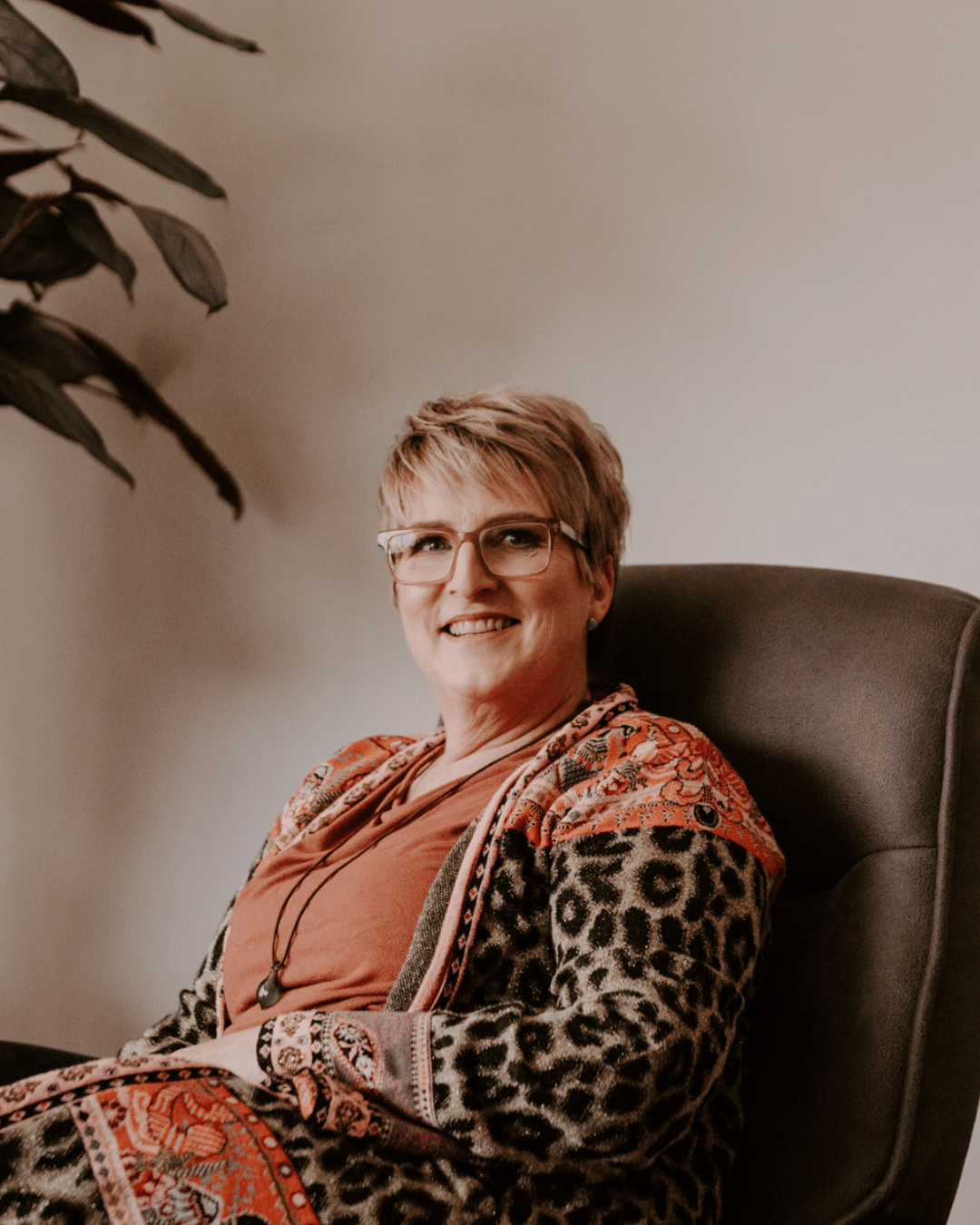
Sonia?is an?Integrative Money Trauma Therapist, Accredited Social Worker (AASW), Founder of the N.E.R.V.E. Method? and Author of Who Ever Said? “It’s Just Money, Honey?”, ?whose work sits at the intersection of money, trauma, and the nervous system. Supporting capable, caring professionals who are stuck in financial stress despite everything they know and everything they’ve tried. With a Master of Social Work, a Bachelor of Behavioural Science, Certified Practitioner in the Trauma of Money Method?, and advanced clinical training in Relational Integrative EMDR, Brainspotting, Root Cause Therapy, and Resource Therapy, her approach is shaped not only by professional formation but by her own lived experience of inherited money patterns. She works with healthcare professionals, therapists, and practitioners globally who are ready to do this work at a nervous system level, and in-person in Penguin, Tasmania ~ Australia a destination therapy location on the northwest coast where the pace of the place holds the work.
If this resonates, a good place to begin is the reflective guide?Money, Safety & the Body: The Missing Link ?, or explore working together at soniaskewes.com.au/reach-out/