

Why Can?t I Relax About Money?
For many high-functioning adults, safety can feel? suspicious ~ especially when it comes to money.
It can sound like slowing down, stopping, or losing momentum. And when your relationship with money has been shaped by pressure, responsibility, or survival, that can feel deeply uncomfortable.
Because for many people, growth has been tied to effort ~ pushing through, working harder, and staying on top of things. In money trauma and financial stress, this association can quietly get in the way.
When Safety Gets Misunderstood
Let?s clear something up ~ safety is often misinterpreted.
It?s mistaken for comfort, avoidance, staying small, or not challenging yourself. But trauma-responsive safety is none of those things.
Safety does not mean the absence of challenge. It means the presence of enough support for challenge to be processed, rather than endured.
Research in nervous system regulation shows that learning and behavioural change occur most effectively when the body perceives safety, not threat.?
Without safety, the nervous system doesn?t grow ~ it adapts.
Practical reflection: When you slow down around money, does it feel calm ~ or does it feel risky?
Adaptation Is Not the Same as Growth
This is where many high-functioning people get stuck.
Adaptation can look like coping better, functioning more smoothly, understanding more, and managing reactions more effectively. These are valuable skills ~ but they are not the same as resolution.
Growth, in trauma work, involves reorganisation ~ your nervous system updating its expectations about threat, responsibility, and control. That only happens when your system isn?t preoccupied with protecting itself.
Studies in trauma therapy show that lasting change requires shifts in implicit (body-based) memory, not just conscious understanding.?
As Peter Levine says: ?Trauma is not what happens to us, but what we hold inside.?
Practical reflection: Are you managing your money patterns ~ or actually feeling different around them?
Why Safety Enables Deeper Change
When safety is present, something shifts.
The nervous system can stay present instead of bracing, notice experience without immediately trying to fix it, remain engaged without overriding signals, and allow new information to land.
This isn?t passivity ~ it?s capacity.
Many people are surprised to find that when they stop pushing so hard, deeper change actually becomes possible.
Neuroscience research shows that a regulated nervous system increases capacity for integration, learning, and emotional processing.?
As Deb Dana says: ?Safety is the treatment.?
Practical reflection: What happens if you reduce effort by 10% when thinking about money?
The Paradox for High-Functioning People
Here?s the paradox.
High-functioning individuals are often very good at growing around unresolved patterns. They succeed, adapt, and carry responsibility well.
But internally, the nervous system may still be organised around vigilance, pressure, and self-monitoring ~ especially when it comes to money.
Financial stress research shows that even high earners can experience persistent financial anxiety due to underlying emotional patterns, not actual scarcity.?
So externally, things look stable. Internally, the system is still working hard.
For these individuals, safety doesn?t slow growth ~ it finally allows it.
Practical reflection: Where in your financial life are you still ?holding it together??
How This Shapes My Work With Money Trauma
This understanding of safety shapes how I work with money trauma and financial stress.
Whether in ongoing sessions or EMDR-informed intensives, the focus isn?t on doing more, managing better, or pushing through. It?s about creating the conditions where pressure softens, vigilance reduces, and the nervous system no longer has to organise around control.
In EMDR-informed intensives, this looks like pacing over pressure, continuity over urgency, relational safety over technique, and integration rather than intensity.
Intensity may arise, but it?s not the goal. What matters is whether something actually settles in the body and changes how your system responds afterward.
Because safety isn?t something you achieve before the work ~ it?s the condition that makes the work possible.
If you?d like to understand how this is supported in a dedicated space, you can explore more here:
https://soniaskewes.com.au/emdr-informed-intensives-in-penguin-tasmania/
A Different Way to Measure Growth
Instead of asking, ?Did I push myself enough??
A more useful question becomes: ?Did my system feel safe enough to change??
That shift changes everything ~ from effort to conditions, from pressure to capacity, and from endurance to integration.
Research in behavioural and trauma-informed care shows that sustainable change is more strongly linked to safety and consistency than intensity.?
If relaxing around money feels uncomfortable, there?s nothing wrong with you.
Your system learned that movement meant safety. That effort meant control. Of course stillness feels unfamiliar.
But safety doesn?t take away your growth ~ it gives your nervous system the space to finally experience it.
References
-
Porges, S. (2011). The Polyvagal Theory.
-
van der Kolk, B. (2014). The Body Keeps the Score.
-
Siegel, D. (2012). The Developing Mind.
-
APA (2023). Stress in America Survey.
-
Ogden, P. (2015). Sensorimotor Psychotherapy.
- About Sonia
- More Space to Pause
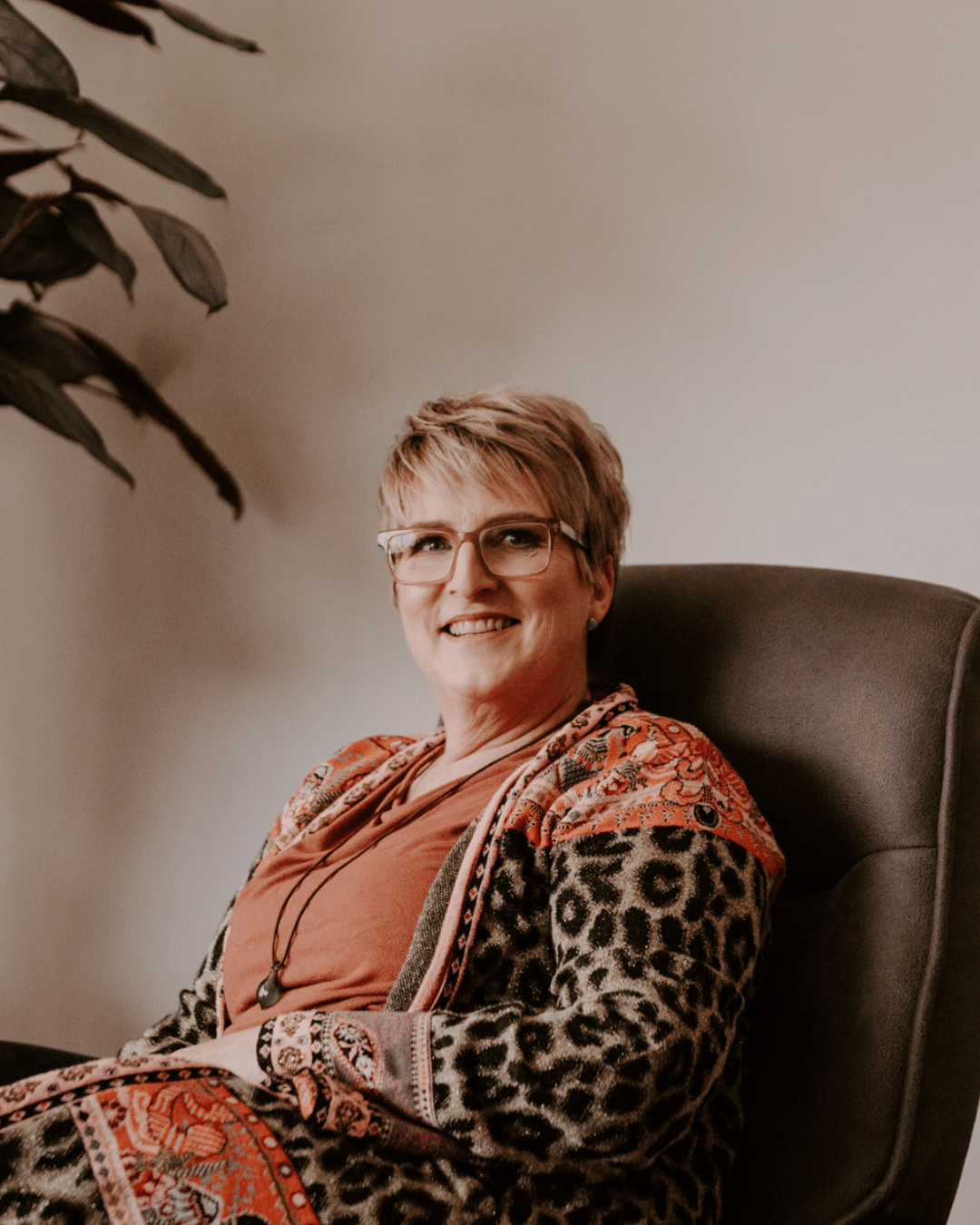
Sonia?is an?Integrative Money Trauma Therapist, Accredited Social Worker (AASW), Founder of the N.E.R.V.E. Method? and Author of Who Ever Said? “It’s Just Money, Honey?”, ?whose work sits at the intersection of money, trauma, and the nervous system. Supporting capable, caring professionals who are stuck in financial stress despite everything they know and everything they’ve tried. With a Master of Social Work, a Bachelor of Behavioural Science, Certified Practitioner in the Trauma of Money Method?, and advanced clinical training in Relational Integrative EMDR, Brainspotting, Root Cause Therapy, and Resource Therapy, her approach is shaped not only by professional formation but by her own lived experience of inherited money patterns. She works with healthcare professionals, therapists, and practitioners globally who are ready to do this work at a nervous system level, and in-person in Penguin, Tasmania ~ Australia a destination therapy location on the northwest coast where the pace of the place holds the work.
If this resonates, a good place to begin is the reflective guide?Money, Safety & the Body: The Missing Link ?, or explore working together at soniaskewes.com.au/reach-out/