


You?ve probably heard it before ~ ?This is a safe space.?
The words are offered with warmth and mostly good intentions. But if you?ve lived through trauma, chronic stress, or emotional overwhelm, your body might not believe them ~ at least, not right away.
And that?s okay.
Because safety isn?t a statement? ~? it?s a felt experience inside your nervous system.
A space can appear supportive on the surface and still feel too activating for your body?s cues. When your system has learned to scan for danger? ~? when hypervigilance, fawning, or suppression once kept you safe? ~? even a circle filled with kind, conscious people can feel subtly unsafe.
You might notice a flutter in your chest, an urge to withdraw, or the need to over-explain yourself.
You might not even know why.
That?s your body remembering? ~? and protecting you.
The truth is, not all ?safe spaces? are safe-enough.
A safe-enough space honours your pace. It allows your nervous system to find regulation before asking for connection or sharing. It doesn?t push vulnerability; it invites presence.
As part of walking my talk and living authentically, I continue to participate in a variety of group experiences? ~? from breathwork and animal-assisted sessions to movement and voice work circles.
Each of these spaces has offered insight and learning. Yet I?ve also come away at times feeling dismayed by the lack of basic trauma-informed capacity ~ leaders stating this is not therapy. Although too often in these groups, deep emotional processes are invited without enough awareness of how the nervous system works, or how to safely close and integrate those experiences.
Through my own witnessing? ~? both as a participant and as a practitioner? ~? I?ve realised that I no longer want to simply hold ?safe? spaces.
I?m devoted to holding trauma-responsive spaces instead.
Spaces that recognise how easily activation can arise in the body.
Spaces that honour consent, pacing, and containment.
Spaces that understand that the body?s reactions aren?t unwanted resistance? ~? they?re communication.
This shift has become a deeper part of my integrity? ~? a commitment to not only do the work, but to be the work.
A safe-enough space also considers the environment itself? ~? the physical, sensory, and spatial elements that often go unnoticed:
Physical proximity: Some people need literal breathing room, while others feel anchored when seated closer. A safe-enough space allows both.
Sensory needs: Lighting that?s too bright, music that?s too loud, or scents that are too strong can all activate stress responses. Gentle light, soft sound, and natural textures help the body feel safe- enough.
Quiet corners: Integration happens in stillness, not in constant engagement. A safe-enough space includes spaciousness with nooks or gardens where participants can rest and ground without explanation.
And most importantly? ~? safe-enough spaces close well.
Because your body remembers endings.
Even I have learnt that closure isn?t about feedback forms or surveys. Those belong to administration, not integration.
True closure helps the body recalibrate. It acknowledges what?s surfaced, provides grounding, and signals safety before departure.
Without it, people can leave feeling exposed or fragmented. The repercussions can be subtle yet deep? ~? the body may take hours or days to find its way back to regulation.
And that can be the difference between being able to stay fully present and authentic, or feeling the need to mask, suppress, and hold everything in? ~? shaking inside during the event and for days afterwards.
That?s not weakness.
That?s your body?s wisdom? ~? protecting you until safety returns.
A safe-enough space understands this.
It closes with care? ~? through reflection, ritual, breath, or embodied stillness? ~? reminding your system: you are complete for now; you are safe-enough to rest.
As a therapist and facilitator, this is the heart of my work? ~? creating spaces where people can soften, process, and integrate safely.
Where healing isn?t hurried.
Where you can take a breath and simply be.
Because real healing doesn?t happen through pressure? ~? it happens through presence.
- About Sonia
- More Space to Pause
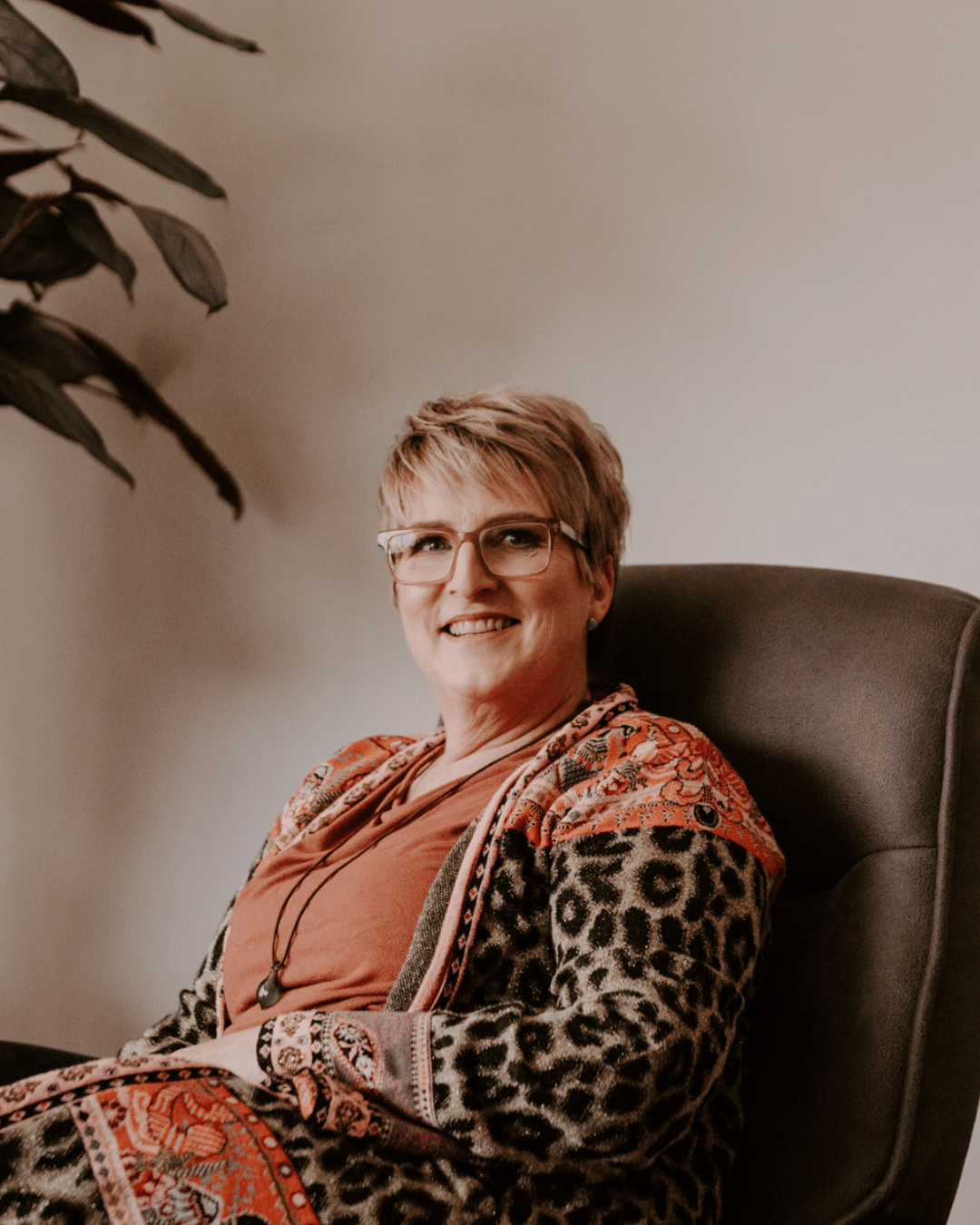
Sonia?is an?Integrative Money Trauma Therapist, Accredited Social Worker (AASW), Founder of the N.E.R.V.E. Method? and Author of Who Ever Said? “It’s Just Money, Honey?”, ?whose work sits at the intersection of money, trauma, and the nervous system. Supporting capable, caring professionals who are stuck in financial stress despite everything they know and everything they’ve tried. With a Master of Social Work, a Bachelor of Behavioural Science, Certified Practitioner in the Trauma of Money Method?, and advanced clinical training in Relational Integrative EMDR, Brainspotting, Root Cause Therapy, and Resource Therapy, her approach is shaped not only by professional formation but by her own lived experience of inherited money patterns. She works with healthcare professionals, therapists, and practitioners globally who are ready to do this work at a nervous system level, and in-person in Penguin, Tasmania ~ Australia a destination therapy location on the northwest coast where the pace of the place holds the work.
If this resonates, a good place to begin is the reflective guide?Money, Safety & the Body: The Missing Link ?, or explore working together at soniaskewes.com.au/reach-out/