
 Sometimes, what we label as ?anxiety? is actually something much older.
Not just a moment of stress, but a deep tangle of inherited, trapped emotions:
forlornness, heartache, confusion, dread.
Emotions passed down like invisible heirlooms.
Stories etched into our nervous systems.
Reactions we didn?t choose, but live inside of us all the same.
And while the world may treat anxiety as a modern epidemic,
epigenetics now confirms what many of us have always known in our bones:
we carry the emotional and physiological imprints of experiences from up to seven generations ago.
That means the fear you feel might not be yours.
The grief you carry may have started with a great-grandmother you never met.
The tension in your chest could be the echo of an untold story from long ago.
Grief that was never spoken.
Fear that was never validated.
Stories that were never allowed to complete.
And in today?s culture?
Anxiety has become the most described emotion of our time.
It?s clinically significant.
Linguistically dominant.
Culturally resonant.
The word ?anxiety? now echoes through therapy rooms, Instagram captions, late-night voice notes, and even global music charts.
Songs titled ?Anxiety? are topping playlists and going viral.
It?s no coincidence. It?s a mirror.
A reflection of our collective emotional awakening.
A signal that more and more of us are beginning to name what we feel instead of numbing it.
But naming is just the first step.
The deeper work the liberating work? is this:
Releasing what was never yours to carry.
Trapped Emotions Aren?t Always Yours
You might be holding grief that began two generations ago.
Guilt that was modelled, not chosen.
Shame that was absorbed through quiet family stories about what?s ?acceptable? to feel.
Yes, your body keeps score.
But it also holds the map. The memory. The wisdom to release.
And right now, as winter wraps us in its dark embrace, the earth is inviting us inward.
To listen.
To unravel.
To let go.
Let go of the old. Not because it was wrong ? but because it?s time.
If this post stirred something in you, take a breath ? and come back to your body. Healing starts with noticing. Let?s explore what?s ready to shift for you:
- About Sonia
- More Space to Pause
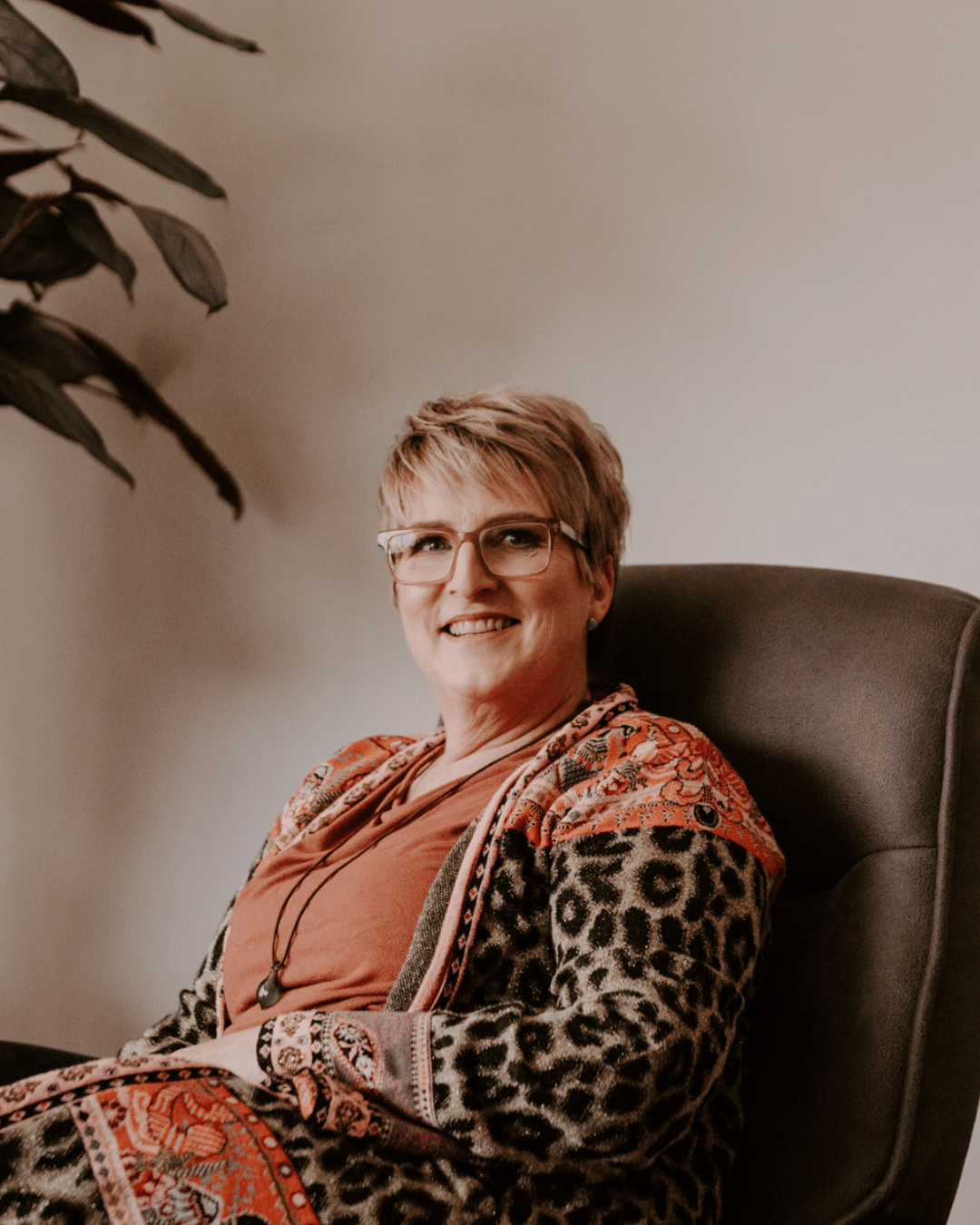
Sonia?is an?Integrative Money Trauma Therapist, Accredited Social Worker (AASW), Founder of the N.E.R.V.E. Method? and Author of Who Ever Said? “It’s Just Money, Honey?”, ?whose work sits at the intersection of money, trauma, and the nervous system. Supporting capable, caring professionals who are stuck in financial stress despite everything they know and everything they’ve tried. With a Master of Social Work, a Bachelor of Behavioural Science, Certified Practitioner in the Trauma of Money Method?, and advanced clinical training in Relational Integrative EMDR, Brainspotting, Root Cause Therapy, and Resource Therapy, her approach is shaped not only by professional formation but by her own lived experience of inherited money patterns. She works with healthcare professionals, therapists, and practitioners globally who are ready to do this work at a nervous system level, and in-person in Penguin, Tasmania ~ Australia a destination therapy location on the northwest coast where the pace of the place holds the work.
If this resonates, a good place to begin is the reflective guide?Money, Safety & the Body: The Missing Link ?, or explore working together at soniaskewes.com.au/reach-out/